Want to better understand biomass and bio-based products? Here is an overview of the issues and applications.
Key points:
Biomass (plants, micro-organisms, organic waste, etc.) is a renewable resource for materials, chemicals and energy.
Bio-based products (bio-based materials, molecules for fine chemicals) and biofuels are obtained through physical, chemical and biological processes, including biotechnologies.
Replacing fossil resources with biomass reduces the carbon footprint, creates local industries and supports a sustainable and circular bioeconomy.
1. Living organisms, a source of energy and materials
For thousands of years, humanity has depended on resources from the living world, known as biomass. Before the industrial era, this biomass was the main source of energy and materials:
wood for heating and construction;
plant fibres (flax, hemp, cotton) for clothing and rope;
animal materials such as leather and wool for shoes and clothing;
natural oils and fats for lighting and personal care.
The carbon footprint of biomass is considered neutral, provided that the rate at which it renews itself is sufficient to offset its use. This is the case for agricultural biomass, which renews itself annually, but less so for forest resources, which take longer to regenerate, especially as they are impacted by climate change. On the contrary, the use of fossil fuels (coal, oil, natural gas) releases carbon stocks that have been accumulated over millions of years in plants (for coal) or plankton (for oil) and cannot be replenished.
Today, biomass is regaining interest with the development of bio-based products, made from materials derived from living organisms: plants, micro-organisms and even organic waste.
Using biomass means replacing fossil-based products with alternatives that emit less CO2 in order to limit environmental impacts and reduce dependence on non-renewable energies.
2. Biomass today: a renewable resource to be rediscovered
Biomass refers to all organic matter (i.e. matter that comes from living beings), which is primarily used for food, but can also be used as a source of energy or raw material. It comes in many forms:
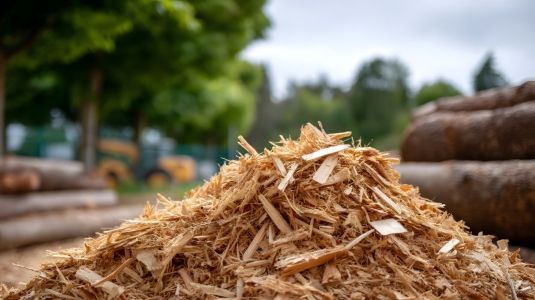
Plant biomass: cultivated plants, agricultural residues (straw, stalks), forest resources (wood, branches, chips, sawdust) and algae, etc.
Animal biomass: excrement (slurry, manure), animal fats and fishing residues, etc.
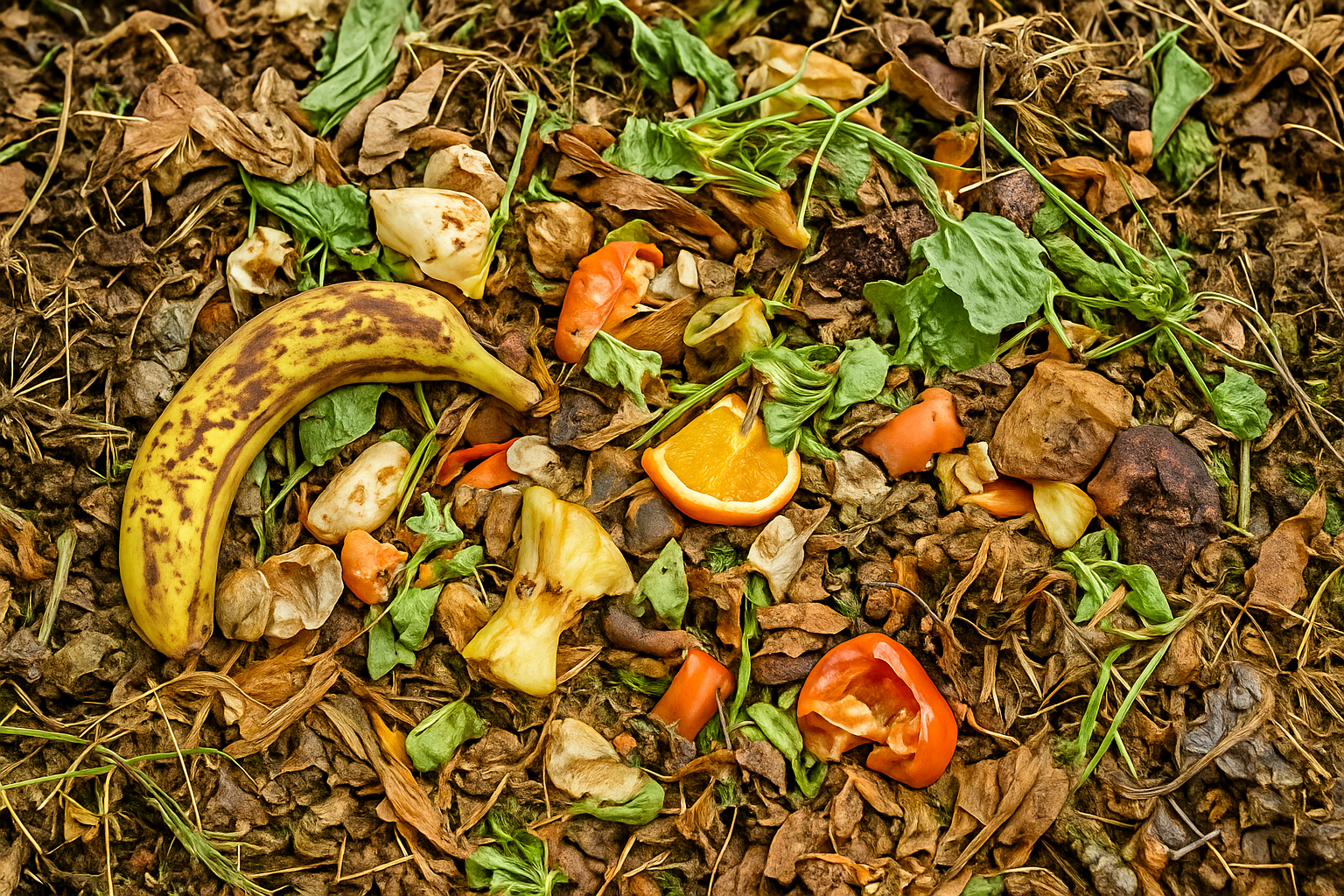
Organic waste: food scraps, grass clippings, dead leaves, etc.
Microorganisms: bacteria, yeast, fungi, used in many processing methods.
Rich in sugars, lipids and proteins, biomass offers a wide range of molecular building blocks that can be used to design new products. However, unlike the carbon contained in fossil resources, which can be exploited directly, the carbon derived from living organisms is found in more complex biological structures. Researchers are therefore working to develop processes that break down these structures and make optimal use of each component of biomass, without waste.
Among the various sources of biomass, certain plants play a key role in providing important raw materials:
Sugar plants rich in sugar (beet, sugar cane) and rich in starch (wheat, corn, potatoes);
Lignocellulosic resources rich in complex sugars such as cellulose (wood, straw, flax, hemp).
3. Transforming living matter: from biomass to bio-based products
The European Commission defines bio-based products as non-food products derived from biomass.
The manufacture of bio-based products is not new, but current research aims to master the transformation of biomass to create innovative and sustainable products.
There are many applications:
Energy: production of biogas and biofuels (for aviation, road or maritime transport). There are three generations of biofuels, depending on the origin of the biomass used:
First-generation biofuels from food crops (beet, maize, rapeseed)
Second-generation biofuels produced from lignocellulosic residues and waste
Third-generation biofuels produced from microalgae in photobioreactors, still under development.
Construction: manufacture of insulation, paints and adhesives;
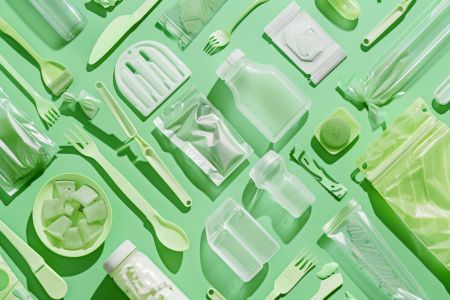
Packaging: development of bioplastics;
Textiles: creation of bio-based materials;
Automotive and aeronautical industry: composites, oils and lubricants;
Fine chemicals: formulation of paints, resins, adhesives, hygiene products, cosmetics, maintenance and cleaning products, pharmaceuticals.
Biomass conversion relies on physical, chemical and biological processes:
Pyrolysis: a process that involves heating organic matter to very high temperatures in the absence of oxygen. For example, wood pyrolysis to produce charcoal.
Methane production: the decomposition of organic matter, such as food or agricultural waste, by microorganisms in the absence of oxygen. It produces biogas (CH4 and CO2) and a residue called digestate.
Methanation: a chemical or biological reaction that combines CO₂ and hydrogen (H₂) to produce methane.
Fermentation: a biological process in which microorganisms (such as yeast or bacteria) convert sugars in the absence of oxygen. It is used, for example, to ferment sugars from barley in beer production, or sugars from beet and maize to produce bioethanol.
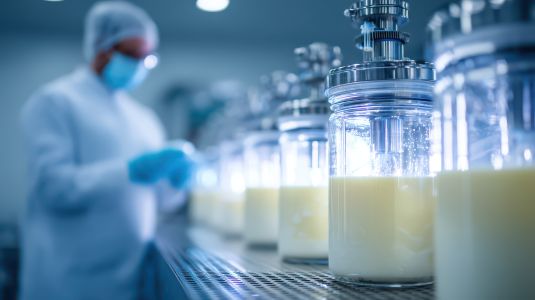
Among these methods, biotechnology is playing an increasingly important role. It uses living organisms — microorganisms or enzymes — as veritable ‘cell factories’ to produce molecules of interest. These processes draw on a variety of disciplines: molecular and cellular biology, biochemistry, microbiology, bioprocesses, synthetic biology, bioinformatics, etc.
Biotechnology offers a major advantage: it replaces heavy chemical processes with biological reactions, thereby reducing energy consumption, waste and pollutant emissions while promoting the use of renewable resources.
Another important process is chemical catalysis. This involves the use of catalysts – substances that are generally metallic, mineral or organic – which facilitate the conversion of molecules. They accelerate chemical reactions that would otherwise be too slow or inefficient. Chemical catalysis also reduces energy requirements, making it a key process for developing more resource-efficient processes.
4. Towards a bioeconomy that supports ecological transition
Beyond the production of bio-based products, biomass conversion is part of a broader dynamic: that of the bioeconomy. This model aims to use biological resources to build a sustainable, circular and carbon-free economy. The bioeconomy has many ambitions:
Reducing dependence on fossil resources and strengthening industrial sovereignty;
Reducing CO₂ emissions and negative impacts on the environment;
Developingnew local industrial sectors and training new professionals in emerging professions in the sector.
Biomass and biomass-based products are therefore essential levers for a successful ecological transition and for building an economy based on living resources. However, this transition to the bioeconomy requires profound changes involving economic actors and public authorities in order to support research, assist in the establishment of industries and define standards that promote the development of bio-based products.
5. The central role of research
While the idea of replacing petroleum with plant-based products seems simple, the scientific and technical reality is much more complex. Biomass is a highly heterogeneous, perishable and difficult-to-process resource: its composition varies according to species, season and growing conditions, and it contains a mixture of sugars, lignin, proteins and lipids that are difficult to separate.
Research therefore plays a key role in:
Understanding the structure of biomass and identifying more efficient processes for using it without wasting it;
Improving production processes by optimising microorganisms and enzymes and developing synergies between chemical and biological catalysis in order to overcome scientific and technical barriers, increase yields, reduce energy and water use, and ensure large-scale economic viability;
Develop products that are competitive, both economically and ecologically, and can be produced without competing with food or other more relevant uses.
Beyond simply replacing petrochemicals, research is paving the way for new molecules and materials: biodegradable plastics, non-toxic solvents, natural additives, etc. These innovations offer unprecedented properties and contribute to building a sustainable, inventive and efficient bioeconomy.
Biomass and bio-based products explained in pictures:
By browsing our site you accept the installation and use cookies on your computer.
Know more
Our use of cookies
Cookies are a set of data stored on a user’s device when the user browses a web site. The data is in a file containing an ID number, the name of the server which deposited it and, in some cases, an expiry date. We use cookies to record information about your visit, language of preference, and other parameters on the site in order to optimise your next visit and make the site even more useful to you.
To improve your experience, we use cookies to store certain browsing information and provide secure navigation, and to collect statistics with a view to improve the site’s features. For a complete list of the cookies we use, download “Ghostery”, a free plug-in for browsers which can detect, and, in some cases, block cookies.
You can also visit the CNIL web site for instructions on how to configure your browser to manage cookie storage on your device.
In the case of third-party advertising cookies, you can also visit the following site: https://www.youronlinechoices.com/fr/controler-ses-cookies/, offered by digital advertising professionals within the European Digital Advertising Alliance (EDAA). From the site, you can deny or accept the cookies used by advertising professionals who are members.
It is also possible to block certain third-party cookies directly via publishers:
Cookie type
Means of blocking
Analytical and performance cookies
Realytics Google Analytics Spoteffects Optimizely
Targeted advertising cookies
DoubleClick Mediarithmics
The following types of cookies may be used on our websites:
Mandatory cookies
Functional cookies
Social media and advertising cookies
These cookies are needed to ensure the proper functioning of the site and cannot be disabled. They help ensure a secure connection and the basic availability of our website.
These cookies allow us to analyse site use in order to measure and optimise performance. They allow us to store your sign-in information and display the different components of our website in a more coherent way.
These cookies are used by advertising agencies such as Google and by social media sites such as LinkedIn and Facebook. Among other things, they allow pages to be shared on social media, the posting of comments, and the publication (on our site or elsewhere) of ads that reflect your centres of interest.
Our EZPublish content management system (CMS) uses CAS and PHP session cookies and the New Relic cookie for monitoring purposes (IP, response times). These cookies are deleted at the end of the browsing session (when you log off or close your browser window)
Our EZPublish content management system (CMS) uses the XiTi cookie to measure traffic. Our service provider is AT Internet. This company stores data (IPs, date and time of access, length of the visit and pages viewed) for six months
Our EZPublish content management system (CMS) does not use this type of cookie.
For more information about the cookies we use, contact INRAE’s Data Protection Officer by email at cil-dpo@inra.fr or by post at:
INRAE 24, chemin de Borde Rouge –Auzeville – CS52627 31326 Castanet Tolosan cedex - France